




Network Visibility: 5 Critical Mistakes and the Problems They Cause
Network Visibility: 5 Critical Mistakes and the Problems They Cause In modern IT infrastructures, network visibility plays a crucial role in ensuring system continuity and prev





Network Visibility: 5 Critical Mistakes and the Problems They Cause In modern IT infrastructures, network visibility plays a crucial role in ensuring system continuity and prev
What Is Bandwidth and Why Is Bandwidth Monitoring Critical? We have a bandwidth issue” is one of the most frequently heard statements within IT teams today. However, more often t

What Is SD-WAN? Why SD-WAN Monitoring Is Matters? SD-WAN (Software-Defined Wide Area Network) is a modern networking technology that introduces a software-driven approach to managi

How Long Can Your System Withstand a Brute Force Attack? In the digital world, attackers don’t always use “elegant” methods. Sometimes, they rely solely on raw power
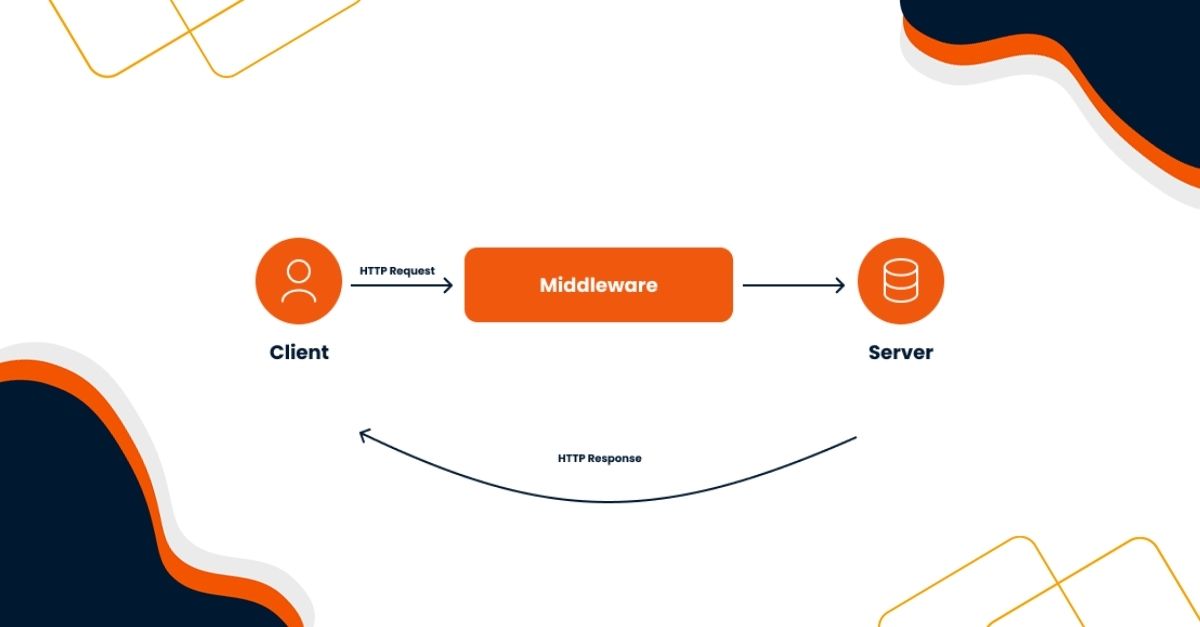
What Is Middleware? Types, Categories, and How It Works What is middleware? Middleware is a software layer that sits between the client and the application—or between multiple
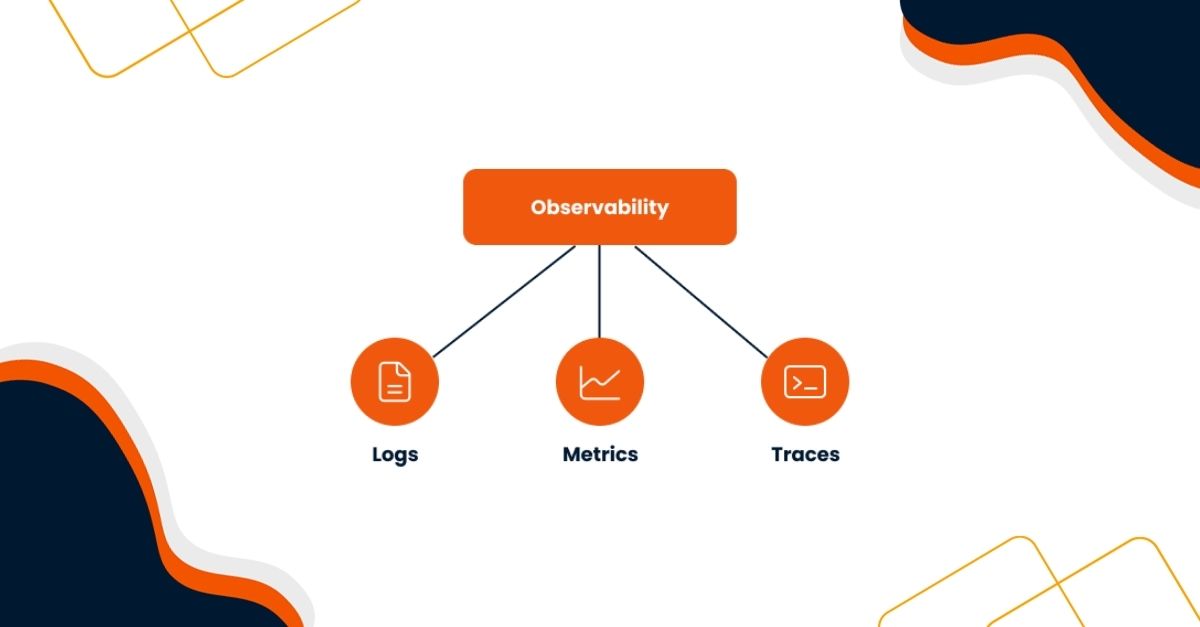
What Do Logs, Traces, Metrics Help You See? In today’s world of complex, cloud-native environments and microservices, simply knowing whether a system is “up” or ̶

Event Log Monitoring: Why Should You Monitor Logs? Event Log Monitoring is the process of centrally collecting, analyzing, and reporting on the “log records” generated

Microsoft IIS Monitoring: What Are the Most Critical IIS Alarms? Microsoft IIS (Internet Information Services) is a flexible and secure web server software developed by Microsoft t

Where is the Network Bottleneck Hiding? In today’s digital ecosystem, network performance plays a crucial role in ensuring service quality, user satisfaction, and business contin

+90 216 577 5320

info@odya.com.tr

Barbaros Mah. Begonya Sok. No: 3 NİDA Kule Kuzey Kat: 12 Ofis:133, 34746 Ataşehir/İstanbul
BİRUNİ Teknopark – Kazlıçeşme Mah. 245.Sok. No:5 Zeytinburnu/İstanbul